When evaluating your home’s water quality, two terms pop up more than any other: hard water and TDS. While they are closely related and frequently mentioned in the same breath, they are not the same thing. Understanding the differences between hard water and TDS is crucial if you want to protect your plumbing, keep your appliances running efficiently, and enjoy crisp, clean drinking water.
If you are dealing with chalky buildup on your faucets or a strange taste in your glass of water, here is what you need to know about these common water quality issues—and how to fix them.
Hard Water and TDS: Understanding the Difference
To put it simply: Hard water is a type of TDS, but TDS is not always just hard water.
What is Hard Water?
Hard water refers specifically to water that contains a high concentration of dissolved minerals, primarily calcium and magnesium. As groundwater travels through limestone and chalk deposits, it naturally picks up these minerals. Water hardness is usually measured in grains per gallon (GPG) or parts per million (PPM).
What is TDS (Total Dissolved Solids)?
TDS stands for Total Dissolved Solids. It represents the total concentration of all dissolved substances in your water. This includes the calcium and magnesium from hard water, but it also encompasses:
- Other Minerals: Sodium, potassium, and carbonates.
- Salts: Chlorides and sulfates.
- Organic Matter: Dissolved plant or soil matter.
- Runoff & Contaminants: Nitrates, heavy metals (like lead or copper), and agricultural or industrial residues.
While hard water tells you how much calcium and magnesium are present, TDS gives you an overall baseline measurement of everything dissolved in your water supply.
Why Hard Water and TDS Are Problems for Homeowners
Both hard water and high TDS levels can degrade your quality of life and cause expensive damage to your home, but they do so in different ways.
The Cost of Hard Water
Hard water is a logistical and financial nightmare for your home’s infrastructure. When hard water is heated or evaporates, it leaves behind rock-hard mineral deposits known as scale.
- Plumbing Destruction: Scale builds up inside your pipes, restricting water flow and lowering water pressure over time.
- Appliance Failure: Water heaters, dishwashers, and washing machines have to work twice as hard when coated in scale, leading to early breakdowns and spikes in energy bills.
- Daily Frustrations: Hard water prevents soap from lathering properly. This leaves a sticky soap scum on your skin, makes your hair brittle, fades your clothing, and leaves unsightly white spots on your glassware.
The Problem with High TDS
While a certain level of TDS is normal and even necessary for water to taste good, excessively high TDS (typically anything above 500 PPM) points to issues with water purity.
- Unpleasant Taste and Odor: High TDS water often tastes salty, metallic, bitter, or brackish. It can completely ruin the flavor of your coffee, tea, and home-cooked meals.
- Potential Contaminant Risks: A high TDS reading is a red flag. While it might just mean your water is highly mineralized, it can also indicate the presence of unwanted contaminants like nitrates, arsenic, or heavy metals.
- Corrosion or Scale: Depending on which specific solids make up your TDS reading, high levels can either accelerate pipe corrosion or contribute to stubborn scale buildup.
Learn more: Understanding TDS (Total Dissolved Solids) and Its Impact on Water Quality
Frequently Asked Questions About Hard Water and TDS
Can you have high TDS but soft water?
Yes. If your water passes through an area rich in sodium, chlorides, or sulfates rather than calcium and magnesium, your TDS reading will be very high. However, your water will technically be “soft.” For example, a standard water softener removes calcium and magnesium by exchanging them for sodium ions. The water becomes soft, but the overall TDS level remains roughly the same.
Does a water softener lower TDS?
No. Water softeners are specifically designed to address water hardness, not total dissolved solids. They replace calcium and magnesium ions with sodium ions on a one-to-one basis. Because you are substituting one dissolved solid for another, your total TDS reading will not drop.
What is a safe or normal TDS level for drinking water?
According to the EPA’s secondary drinking water regulations, the maximum recommended level for TDS is 500 PPM. Anything above this level is considered elevated and will likely cause issues like a poor taste or staining.
How Rayne of Santa Cruz Helps Homeowners Resolve Water Quality Issues
Living on the Central Coast of California means dealing with unique groundwater profiles that are frequently high in both hardness and total dissolved solids. Fortunately, Rayne of Santa Cruz offers heavy-duty, commercial-grade residential treatment systems engineered specifically to tackle local water profiles.
Because hard water and TDS are different problems, they require different treatment strategies.
Defeating Hard Water: Rayne Water Softeners
To eliminate scale buildup, protect your appliances, and get cleaner clothes and skin, you need a dedicated water softening system. At Rayne of Santa Cruz, we offer premium systems like the Rayne Versa Water Softener. These systems remove calcium and magnesium at the point of entry, ensuring every faucet in your house delivers soft water.
Stripping Away TDS: Rayne Reverse Osmosis Systems
To lower your overall TDS and ensure your drinking water is safe, pristine, and delicious, you need a multi-stage filtration system that can filter out microscopic dissolved solids.
The Rayne Clear Reverse Osmosis (RO) system forces water through a semi-permeable membrane. This membrane acts as a microscopic barrier, stripping away up to 95%+ of total dissolved solids, including heavy metals, salts, and chemical residues. The result is safe, high-quality drinking water straight from your tap.
Get Your Water Tested by Professionals
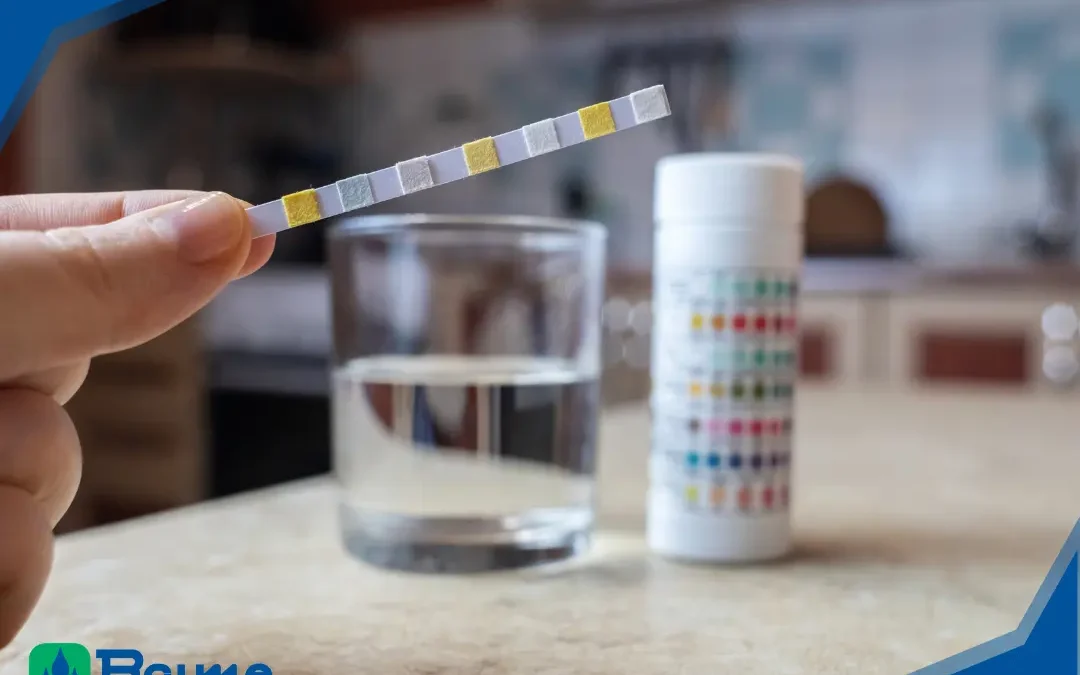
Don’t guess when it comes to your home’s water quality. If you want to know exactly what is in your water, contact the team here at Rayne of Santa Cruz today. A qualified water technician can perform an in-home test to pinpoint your exact water hardness and TDS levels, helping you select the perfect system configuration for your budget and your family.